
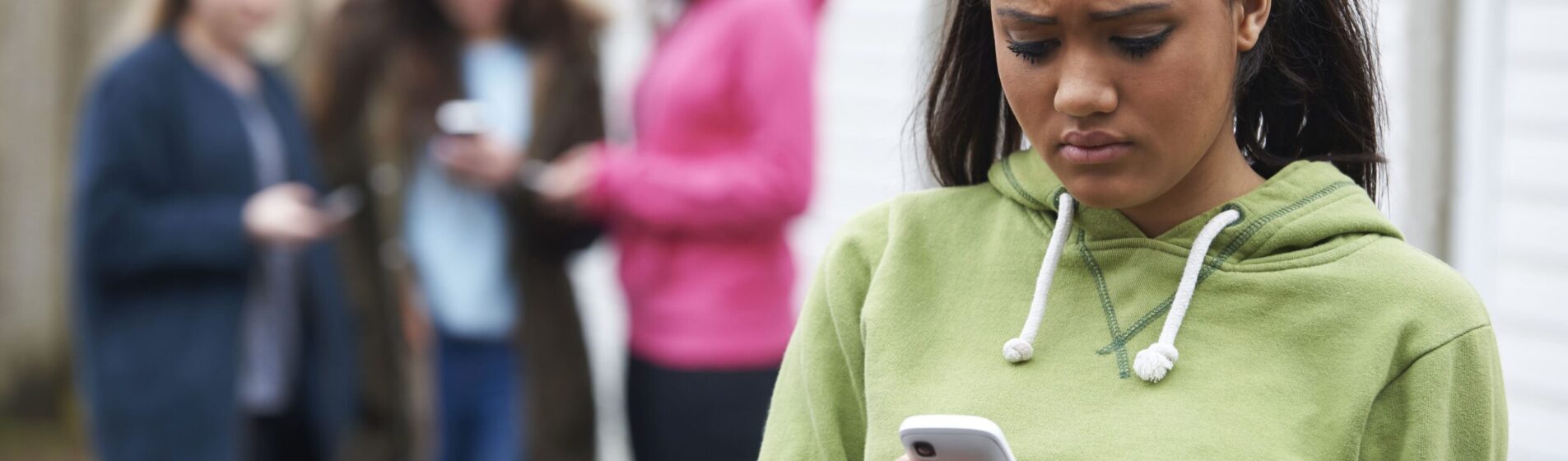
Getting lost on the internet
The internet is great for many things – those YouTube clips of people playing funny pranks, streaming your favourite bands, keeping in touch and much more. But, sadly, it’s not all fun and games. It’s important to be clued up on how to stay in control online and keep yourself safe.
Stranger danger: new friends
Don’t give too much away
The internet gives people the chance to hide their true identity, so stranger danger is as real online as it is offline. Always be careful of sharing too many details with someone you don’t really know.
How can I protect myself?
If you’re talking to a ‘friend’ online, whether it’s on social media or gaming, if they ask you to do anything that makes you feel uncomfortable, pressurised or anxious, tell your foster carer and ask their advice. If it doesn’t feel right, ask for help. NEVER meet up with anyone you’ve befriended online IRL (aka in real life) without telling your foster carer first and checking they say it’s OK. If you do meet up with someone, bring a friend and make sure you’ve shared the person’s name and phone number with someone you trust.

Keeping it private: Sexting
Think twice!
Sexting is when you share a nude or semi-nude image of yourself, usually on your mobile. You may also be sent nude photos that you’re pressurised into saving or sharing. It might seem like fun or a harmless thing to do, especially if it’s for someone you like, and you want them to like you. But think it through! If they really like – and respect – you, they won’t want you to take risks with a private image of yourself.
Why can it be harmful?
Firstly, because it’s illegal for under-18’s to take part in sexting. You can even get into trouble if you threaten to share an image like this.
And secondly, once you’ve hit ‘Send’, you can’t get it back – it’s out there for anyone to see. What should be private could easily (and embarrassingly) become public and permanent. Even if you’ve sent something on Snapchat, it can still be screengrabbed and saved.
When it comes to sexting, always remember – it’s just not worth the risk.
Lights, camera, action! Live streaming
What’s live streaming?
Live streaming is when you broadcast live video to an audience over the internet through a smartphone, tablet or computer.
What are the risks?
What might seem a harmless way to share a talent or express yourself could soon put you in danger. This is because you can’t control who is watching and what they could try and force you to do. Once you’ve live streamed there’s no going back and viewers can comment and talk directly to you – and you might not like what they have to say.
Think before you stream
The best way to stay safe online is not to live stream. But, if you do then make sure you only live stream from a place where you feel safe. Be careful of anyone who asks you to move to a private messaging space. If you receive any unwanted attention or demands, seek advice straight away from someone you trust.

If you’ve done something that you regret online, don’t panic – there are lots of things you can do:
- If it’s a nude picture, ask for it to be deleted.
- Don’t reply to threats.
- Talk to your foster carer or another adult you trust about how you are feeling. They can also help you decide what to do next.
- Talk to Childline anonymously on 0800 1111.
There’s lots of advice on the Thinkuknow website.